
Search, discover, save and share your favorite gins
+1000 gins • PerfectServes • Tonics • Inspirations
Bareksten Old Tom Gin
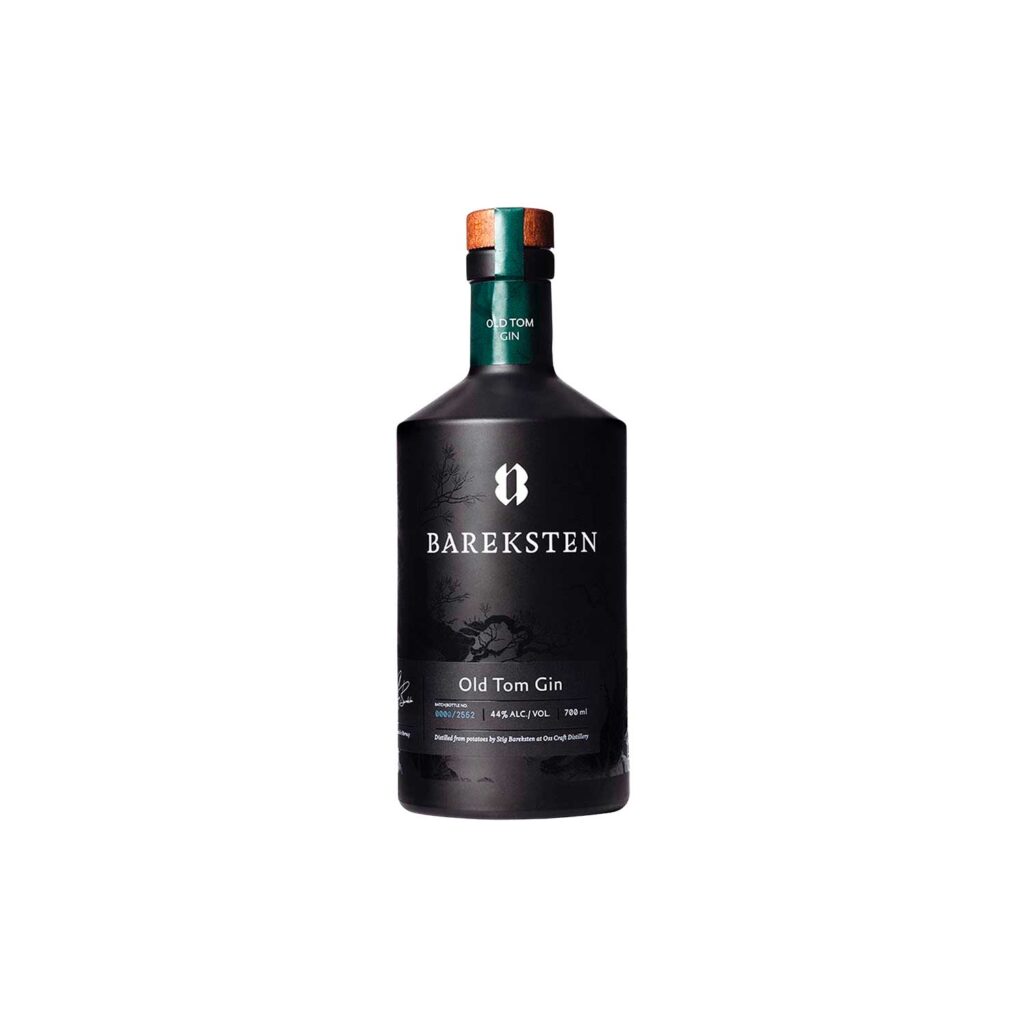
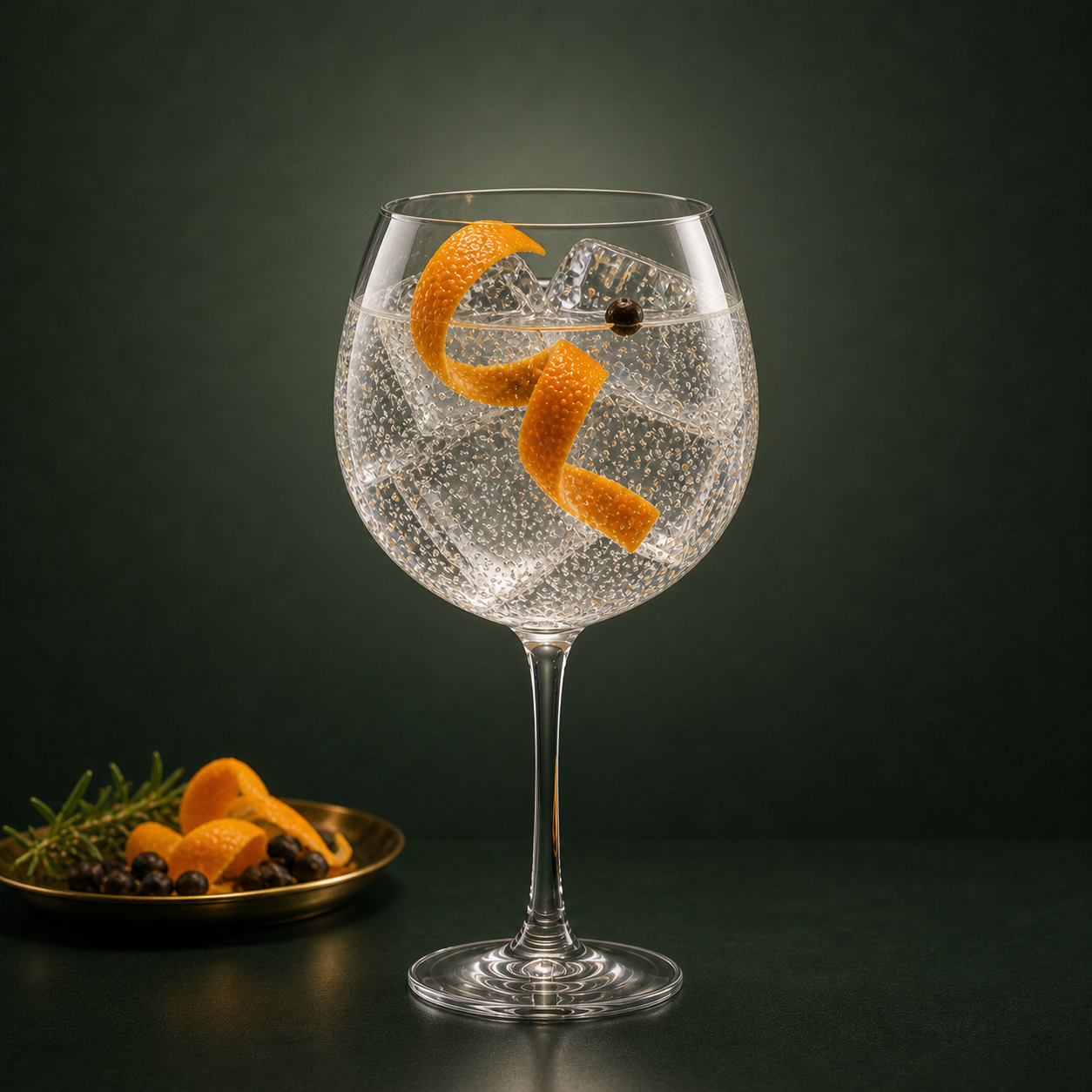
Best enjoyed with Thomas Henry Tonic Water, garnished with  Freshly Cut Orange Peel.
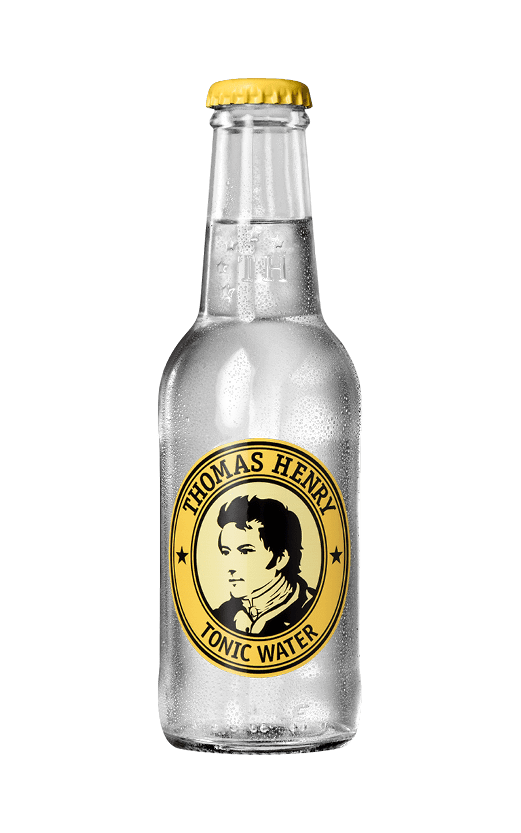 Recommended TonicThomas Henry Tonic Water
Garnish
Freshly Cut Orange Peel
Recommended TonicThomas Henry Tonic Water
Garnish
Freshly Cut Orange PeelBareksten Old Tom Gin
Old Tom Gin · 44 % ABV · NO
An Old TomOld TomAn 18th-century English style, lightly sweetened or rounder, halfway between genever and London Dry. It is back in favour for classic cocktails.GlossarySee Old Tom gins sits between a London DryLondon DryA style, not a place of origin: every flavour comes from distilling natural botanicals. After distillation only water and a trace of sugar may be added, with no flavouring or colouring.GlossarySee London Dry gins and a geneverGeneverThe Dutch and Belgian ancestor of gin, based on malt wine. "Jonge" is more neutral, "oude" more malty.GlossarySee Genever gins, rounder and a little sweeter than the first without going anywhere near the maltiness of the second. It is an eighteenth-century English style that nearly disappeared, and reviving it in Norway with a Nordic botanical list is an unusual thing to do with it. Bareksten bottles this one at 44%.
Spicy · Floral · Fruity · Herbal · Earthy
The extra roundness gives the fruit somewhere to sit. Lingonberries, blueberries and elderberries supply a forest-berry register that a dry ginDry ginGin with no perceptible sweetness: in the European Union, the word "dry" allows at most 0.1 g of sugar per litre.GlossarySee Dry gin gins would leave sharp and exposed, and here they read as depth rather than acidity. Orange peel and lemon peel work above them, the orange rounder and more present than in most gins of the house style. Liquorice lengthens the ending on a sweetness reinforcing the Old Tom character without any sugar having to do the work alone. The baking spices are the other half: cardamom cool, nutmeg soft and woody, cloves dark and penetrating, cassia bark warm and slightly coarse. Mint and chamomile cut through them with a green freshness, elderflower lays a floral note over the top, and angelica and orris root anchor the base while juniper holds the frame.
The nose is juniper, orange, elderflower, berries, liquorice and baking spice. The palate is rounded, spicy and lightly sweet, forest berries and citrus peel arranged over the classical botanicals, and the finish keeps the spice going after the fruit has faded.
A clean tonic and a strip of orange peel suits it, and it is the obvious gin for a Tom CollinsTom CollinsA long drink of gin, lemon juice, sugar and soda water, served over ice in a tall glass.Glossary, which is the drink the style was made for. The sweetness is structural rather than added, so nothing else needs to supply any. Reviving a lapsed English style with Norwegian berries is a stranger idea than it sounds, and it holds.
Bareksten Old Tom Gin & Tonic
PerfectServe
Recommended Tonic
Garnish
Freshly Cut Orange PeelInstructions
Fill a chilled copaCopa glassA large stemmed balloon glass, popularised by the Spanish gin and tonic: it stays cold for longer and gathers the aromas above the drink.Glossary gin glass with large clear iceClear iceIce without air bubbles, made by slow, directional freezing. Denser, it melts more slowly and dilutes less.Glossary cubes.
Pour 5 cl of Bareksten Old TomOld TomAn 18th-century English style, lightly sweetened or rounder, halfway between genever and London Dry. It is back in favour for classic cocktails.GlossarySee Old Tom gins Gin over the ice, then add 10 cl of Thomas Henry Tonic Water slowly down the side of the glass.
Stir once or twice, just enough to combine the gin and tonic while keeping the bubbles lively.
Garnish with freshly cut orange peel.
Keep the garnish precise and restrained so it supports the main aromatic direction of the gin instead of covering it.
Flavors
Ingredients
- Elderberries
- Blueberries
- Coriander seeds
- Cardamom
- Nutmeg
- Cloves
- Angelica root
- Cassia bark
- Mint
- Juniper
- Liquorice
- Lemon peel
- Chamomile flowers
- Lingonberries
- Elderflower
- Orange peel
- Orris root