
Search, discover, save and share your favorite gins
+1000 gins • PerfectServes • Tonics • Inspirations
Sanglier Le Gin Des Ardennes
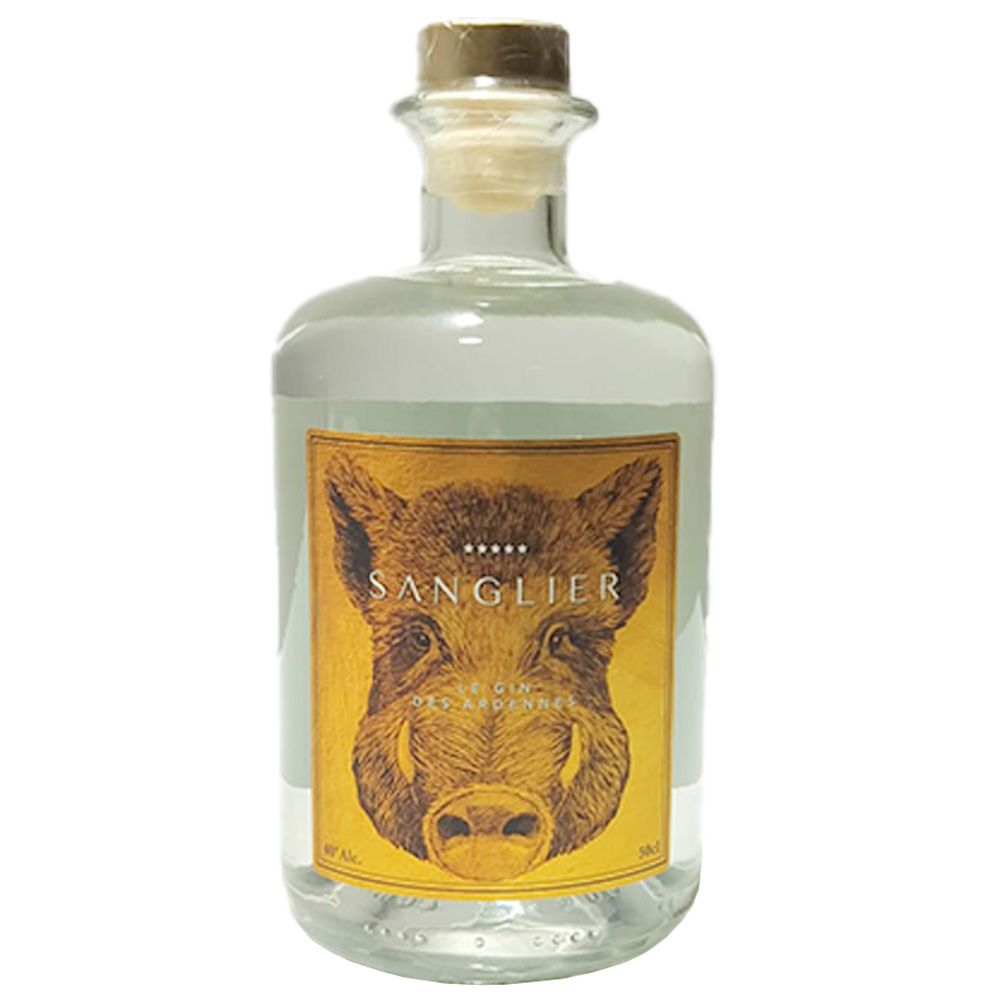
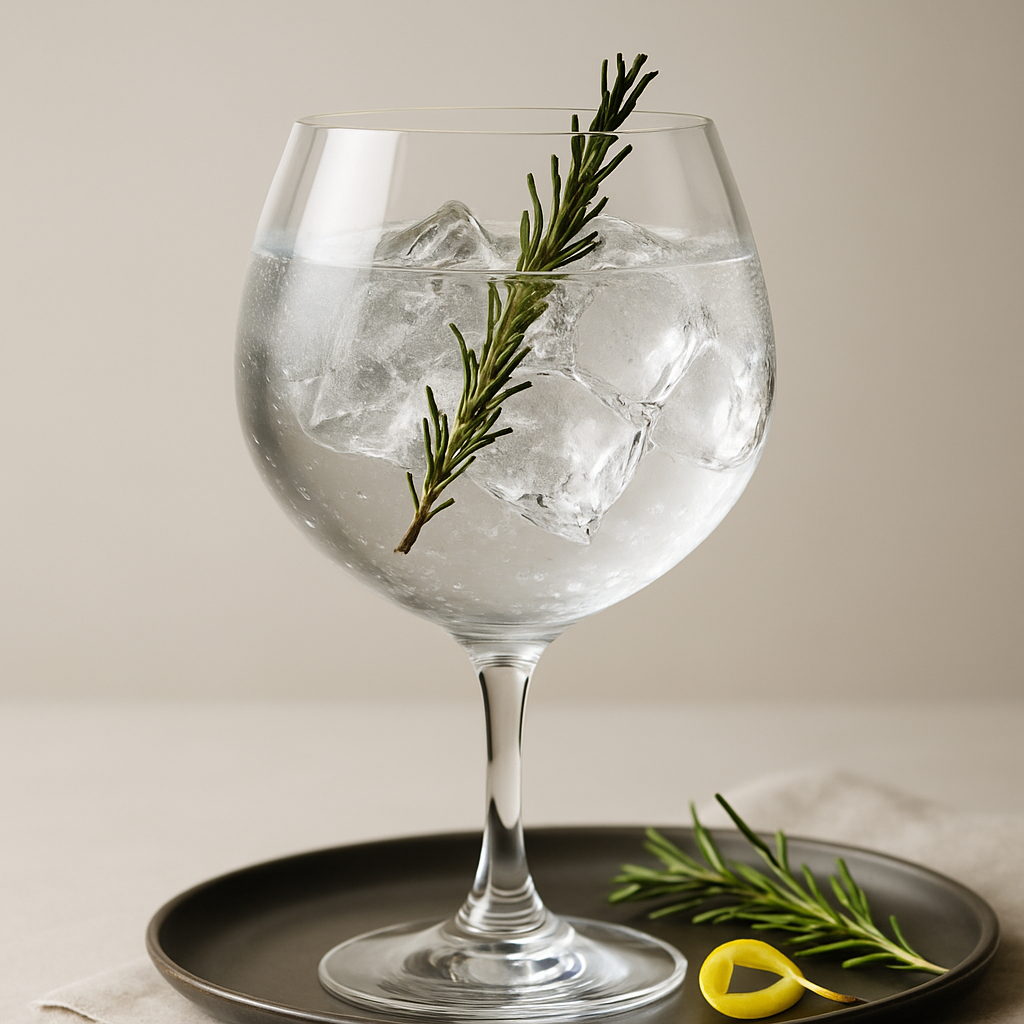
Best enjoyed with Fever-Tree Mediterranean Tonic Water, garnished with  Lightly Singed Rosemary Sprig.
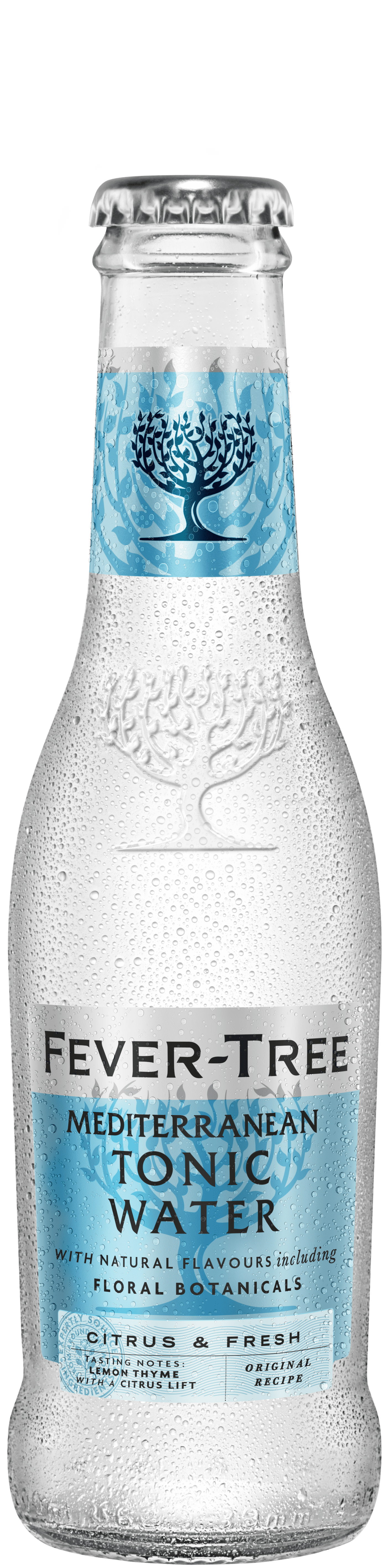 Recommended TonicFever-Tree Mediterranean Tonic Water
Garnish
Lightly Singed Rosemary Sprig
Recommended TonicFever-Tree Mediterranean Tonic Water
Garnish
Lightly Singed Rosemary SprigSanglier Le Gin Des Ardennes
Distilled Gin · 40 % ABV · BE
Resin is an actual ingredient here, not a tasting metaphor. It sits on the list beside fir buds, and the two of them are why this gin smells of standing timber rather than of a bar. Sanglier makes it in Belgium at 40%, in a 50 cl bottle, on five botanicals and no more.
Woody · Dry · Spicy · Herbal · Earthy
Five leaves nothing to lean on. Juniper supplies the structure the category requires and the first thing the nose meets. Fir buds follow with a bright coniferous green, the smell of new growth rather than of cut wood. Resin then adds depth and body underneath, balsamic and slightly sticky, and the weight on the palate comes from it. Angelica rootAngelicaThe root of a tall umbellifer, earthy and musky. After juniper and coriander it is the most common botanical: it binds the aromas and holds the finish.Glossary keeps everything grounded with a dry, earthy backbone. Caraway seed is the only real departure: warm, faintly aniseed, with an aromatic bitterness that stops the recipe from turning soft. No citrus anywhere, an absence rare enough to place the style on its own.
The effect on the nose is closer to walking into conifer woodland than to opening a bottle: dry needles, soft resin, roots, wild herbs.
The palate stays in the same register, dry and herbal throughout, and the finish is woody and gently spiced with a forest note that persists rather than a sweet or citric close.
The bottle belongs to the Sanglier world in Durbuy, the Ardennes project carried by La Petite Merveille and associated with Marc Coucke. A gin named after a forest and then built from five things that actually grow in one is a narrower proposition than the theme suggests.
A Mediterranean tonicMediterranean tonicA tonic with less bitterness and sugar, scented with herbs and citrus (rosemary, thyme, lemon). It leaves more room for the gin's botanicals.Glossary supports the resinousResinousAn aroma reminiscent of pine or fir resin. It is juniper's signature, due to compounds such as pinene.Glossary side without covering it. Clear iceClear iceIce without air bubbles, made by slow, directional freezing. Denser, it melts more slowly and dilutes less.Glossary, a measured pour and a restrained garnish: juniper berriesJuniperThe one compulsory botanical: gin must taste predominantly of juniper. Its "berry" is really a small conifer cone, resinous and peppery.Glossary, and a pine branch passed briefly through a flame for its aroma. That branch is there to be smelled, not eaten, and should be treated accordingly.
Ardennes Forest Gin & Tonic
PerfectServe
Recommended Tonic
Garnish
Lightly Singed Rosemary SprigInstructions
In a chilled highballHighballA long drink served in a tall, straight glass with plenty of ice: a spirit topped with soda or tonic. The word also names the glass.Glossary glass, place a large, clear iceClear iceIce without air bubbles, made by slow, directional freezing. Denser, it melts more slowly and dilutes less.Glossary cube to minimize dilutionDilutionThe water added by melting ice. In the right amount it opens the aromas and softens the alcohol; too much flattens the drink.Glossary and maintain the gin's robust character.
Pour 5 cl of Sanglier Le Gin Des Ardennes over the ice, allowing its woody and herbal notes to unfold.
Top with 15 cl of Fever-Tree Mediterranean Tonic WaterMediterranean tonicA tonic with less bitterness and sugar, scented with herbs and citrus (rosemary, thyme, lemon). It leaves more room for the gin's botanicals.Glossary, whose subtle herbal undertones complement the gin's earthy botanicals.
Gently stir to integrate the flavors.
Garnish with a lightly singed rosemary sprig to enhance the gin's forest-inspired profile.
For alternative pairings, consider East Imperial Burma Tonic Water or Thomas Henry Botanical Tonic.
Flavors

Ingredients
- Juniper berries
- Angelica root
- Caraway Seeds
- Fir buds
- Resin