
Search, discover, save and share your favorite gins
+1000 gins • PerfectServes • Tonics • Inspirations
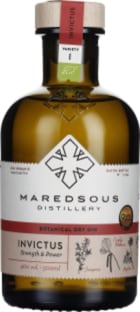
Maredsous Invictus
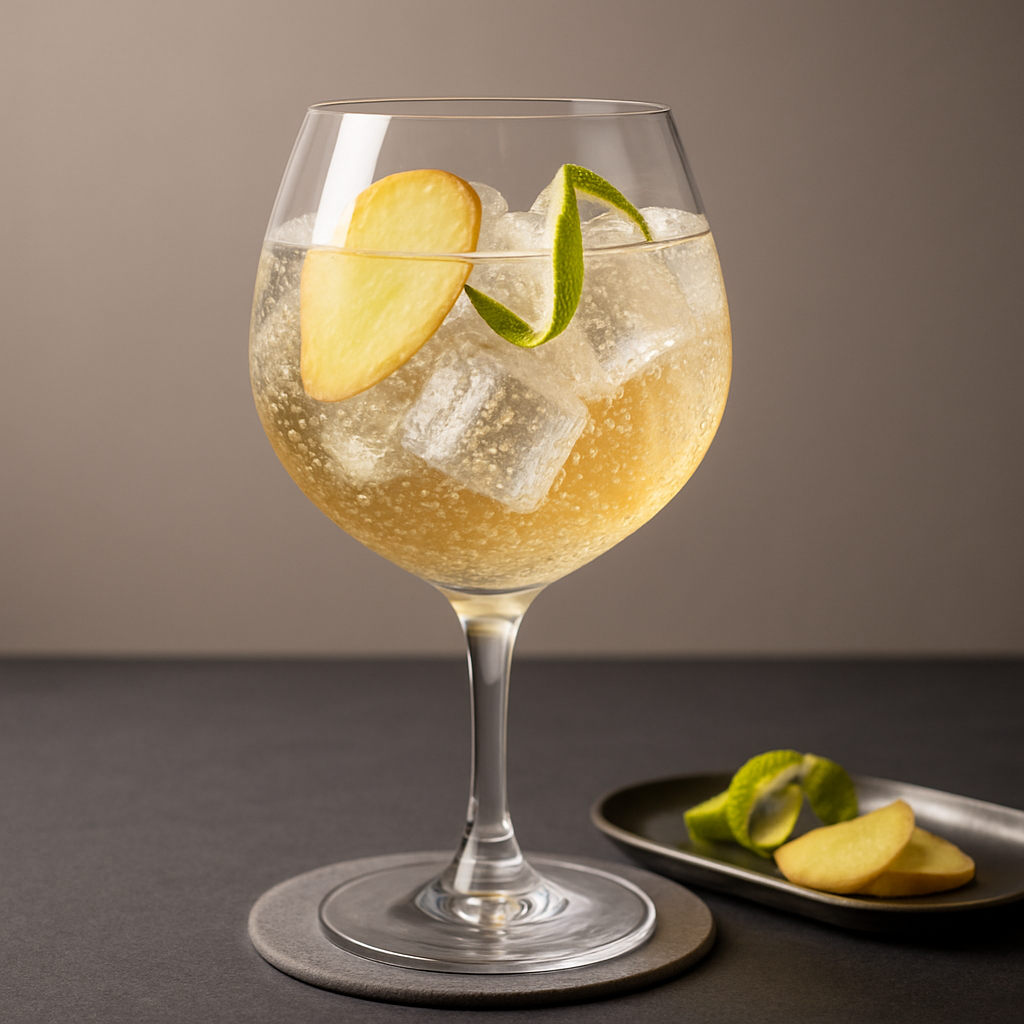
Best enjoyed with Fever-Tree Ginger Ale, garnished with  Thin Slice of Fresh Ginger and
  Twist of Lime Peel.
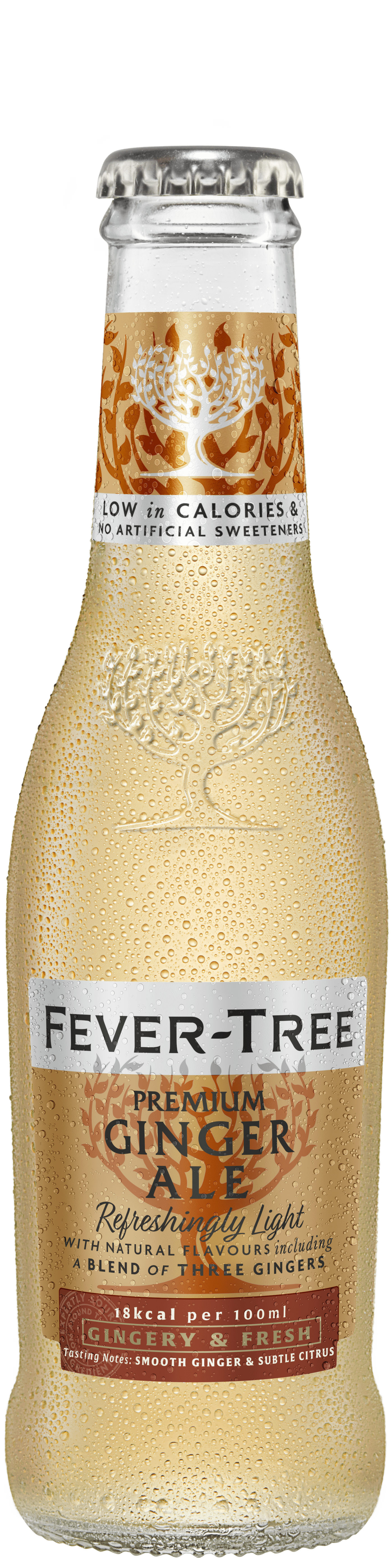 Recommended TonicFever-Tree Ginger Ale
Garnish
Thin Slice of Fresh Ginger
Garnish
Twist of Lime Peel
Recommended TonicFever-Tree Ginger Ale
Garnish
Thin Slice of Fresh Ginger
Garnish
Twist of Lime PeelMaredsous Invictus
Dry Gin · 40 % ABV · BE
Hazel catkins hang from bare branches in late winter and almost nobody has ever put them in a bottle. They are the male flower of the hazel, and picking them means being in the right wood in the right fortnight. The distillery-herbalist at the Abbey of Maredsous uses them alongside hogweed seed, and both belong to a tradition of monastic plant work older than gin itself.
Woody · Dry · Spicy · Herbal
Three grains make the base rather than one, and that matters. Barley, rye and wheat are blended, all certified organic, and the result is rounder and more textured than a single-cereal spirit, with the rye in particular giving a faint peppery edge underneath everything. Over ten medicinal plants go on top. Hazel catkin is delicate and faintly green, more a texture than a flavour. Hogweed seed is the assertive one, aromatic and slightly citric with a bitter edge that reads as almost coriander-like without being it. Angelica root pins the base down with dry earth, and juniper keeps the recipe firmly where it belongs. Then six months in oak change the whole thing: the wood adds a distinct resinousResinousAn aroma reminiscent of pine or fir resin. It is juniper's signature, due to compounds such as pinene.Glossary warmth and rounds every edge, which is why the finish is smoother than a dry ginDry ginGin with no perceptible sweetness: in the European Union, the word "dry" allows at most 0.1 g of sugar per litre.GlossarySee Dry gin gins at this strength usually manages.
Wood and wild herbs are both flattened by a heavy mixer. Neutral tonic and a properly iced glass work, but a short measure over one big cube shows the barrel more honestly. Orange peel suits the oak better than lemon; a NegroniNegroniAn Italian cocktail of equal parts gin, sweet vermouth and red bitter (Campari), served over ice with orange peel. Born in Florence in 1919.Glossary is the mixed build that survives intact. Skip anything sweetened, which the oak would fight. Bronze at the 2021 IWSC in London is a modest verdict on a recipe with no obvious peers. A distillery attached to an abbey has access to a plant list that predates the drinks trade by centuries. It closes woody, herbal and dry.
Invictus Gin & Ginger Harmony
PerfectServe
Recommended Tonic
Garnish
Thin Slice of Fresh Ginger
Twist of Lime PeelInstructions
Select a highballHighballA long drink served in a tall, straight glass with plenty of ice: a spirit topped with soda or tonic. The word also names the glass.Glossary glass to accommodate the robust character of Maredsous Invictus.
Fill it generously with large ice cubesLarge iceOne large block melts far more slowly than several small cubes, so the drink stays cold without watering down.Glossary to maintain a slow dilutionDilutionThe water added by melting ice. In the right amount it opens the aromas and softens the alcohol; too much flattens the drink.Glossary.
Pour 5 cl of Maredsous Invictus Gin over the ice, allowing its woody and spicy notes to emerge.
Top with 15 cl of Fever-Tree Ginger Ale, chosen to complement the gin's herbal and spicy profile.
Stir gently to integrate the flavors.
Garnish with a thin slice of fresh ginger and a twist of limeTwistA strip of peel twisted over the glass to release its oils, then dropped into the drink.Glossary peel to enhance the citrus undertones.
For alternative pairings, consider Thomas Henry Ginger Ale or Fentimans Ginger Beer.
Flavors
Ingredients
- Juniper berries
- Angelica root
- Wheat
- Rye
- Barley
- Hazel catkin
- Hogweed seed