
Search, discover, save and share your favorite gins
+1000 gins • PerfectServes • Tonics • Inspirations
Mikrogorzelnia Sloe Gin


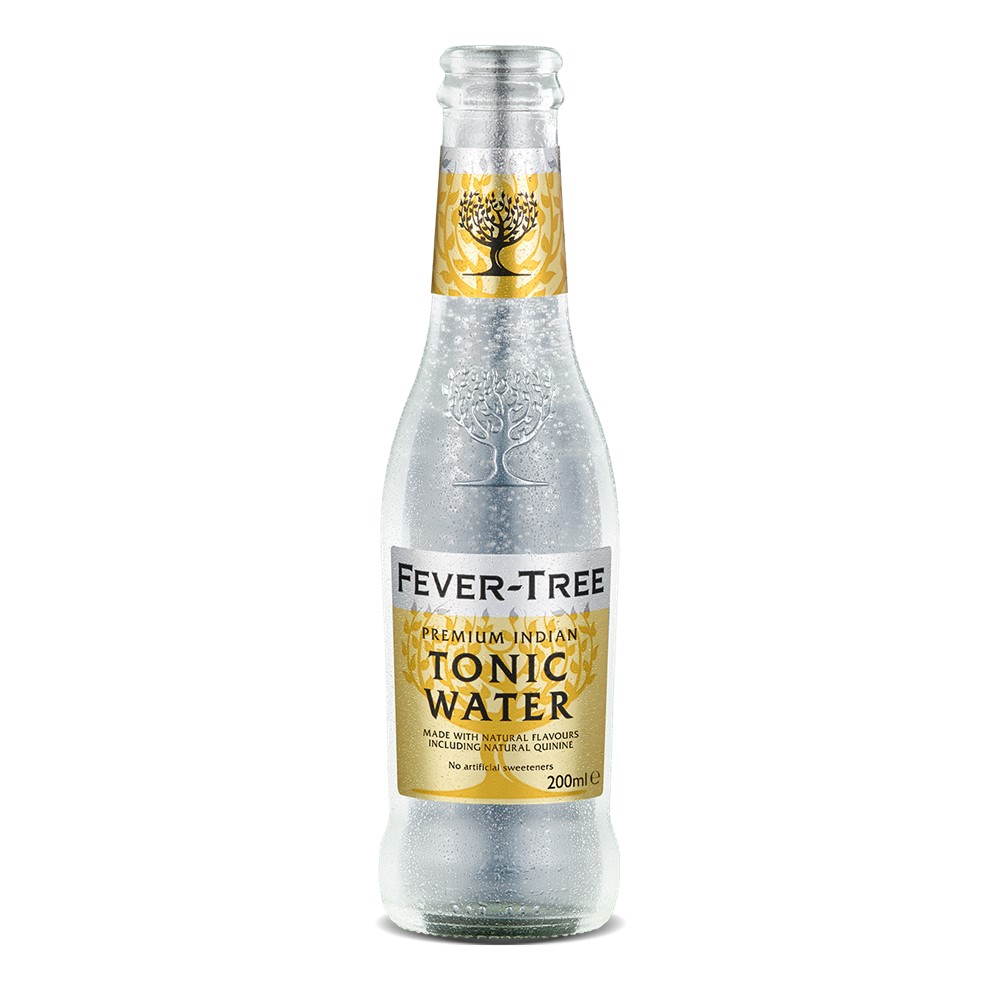
Best enjoyed with Fever-Tree Indian Tonic Water, garnished with  Orange Peel Twist and
 Sloe Berries.
Mikrogorzelnia Sloe Gin
Sloe Gin · 33 % ABV · PL
Mikrogorzelnia Sloe GinSloe ginA liqueur made by steeping sloe berries in gin, then sweetening it. It is usually bottled between 25% and 30% ABV.GlossarySee Sloe gin gins is a distinctive Polish spirit that marries traditional gin craftsmanship with the rich flavors of sloe berries. Crafted by the innovative Warsaw-based distillery, Mikrogorzelnia, this gin begins with their acclaimed Winter Gin as its base. The infusionInfusionFruit or plants are steeped in the spirit to release their flavour. Done after distillation, infusion often adds colour too, and the gin can no longer be called London Dry.Glossary process involves a meticulous six-month macerationMacerationBotanicals soak in alcohol, from a few hours to several days, before distillation to release their aromas.Glossary of handpicked sloe berries, allowing the deep, tart essence of the fruit to meld seamlessly with the gin. Complementing this are vibrant notes of Sicilian oranges and a harmonious blend of spices, including cinnamon, cloves, anise, and nutmeg. The result is a complex, warming gin with a balanced sweetness and spice, making it an ideal companion for chilly evenings. Whether enjoyed neat or as a base for creative cocktails, Mikrogorzelnia Sloe Gin offers a unique tasting experience that reflects the distillery's commitment to quality and innovation.
Spicy · Fruity
For tasting, begin with the gin well chilled so its aromatic direction is clear before dilutionDilutionThe water added by melting ice. In the right amount it opens the aromas and softens the alcohol; too much flattens the drink.Glossary. A gentle gin and tonic is the recommended long serve: use 5 cl of Mikrogorzelnia Sloe Gin, 15 cl of Fever-Tree Indian Tonic WaterIndian tonicThe classic tonic: sparkling water, bitter quinine and sugar. The name recalls colonial India, where quinine warded off malaria.Glossary and plenty of clear ice. Keep the proportions measured so the mixer supports the botanical profile rather than masking it.
Finish with orange peel twist and sloe berriesSloeA small wild plum from the blackthorn, very astringent raw: it is what makes sloe gin.Glossary. Those garnish choices are aligned with the Perfect Serve prepared for this gin, creating a direct link between the tasting advice and the recipe. Stir once, taste immediately, then revisit the glass as the ice opens the aroma and rounds the finish.
Serve at an unhurried pace and compare the first sip with the glass after a short rest. Cold tonic, sound ice and a restrained garnish preserve the intended balance. As dilution develops, the aromatic centre becomes easier to read and the finish gains length without losing the gin's identity.
Sloe Orange G&T
PerfectServe
Recommended Tonic
Garnish
Orange Peel Twist
Sloe BerriesInstructions
Fill a chilled balloon glassCopa glassA large stemmed balloon glass, popularised by the Spanish gin and tonic: it stays cold for longer and gathers the aromas above the drink.Glossary with clear iceClear iceIce without air bubbles, made by slow, directional freezing. Denser, it melts more slowly and dilutes less.Glossary.
Add 5 cl of Mikrogorzelnia Sloe GinSloe ginA liqueur made by steeping sloe berries in gin, then sweetening it. It is usually bottled between 25% and 30% ABV.GlossarySee Sloe gin gins, top with 10 cl of Fever-Tree Indian Tonic WaterIndian tonicThe classic tonic: sparkling water, bitter quinine and sugar. The name recalls colonial India, where quinine warded off malaria.Glossary, stir gently and garnish with orange peel twistTwistA strip of peel twisted over the glass to release its oils, then dropped into the drink.Glossary and sloe berriesSloeA small wild plum from the blackthorn, very astringent raw: it is what makes sloe gin.Glossary.
Flavors
Ingredients
- Cinnamon
- Nutmeg
- Cloves
- Anise
- Juniper
- Sloe berries
- Sicilian oranges