
Search, discover, save and share your favorite gins
+1000 gins • PerfectServes • Tonics • Inspirations
Gin'ca Berries Edition
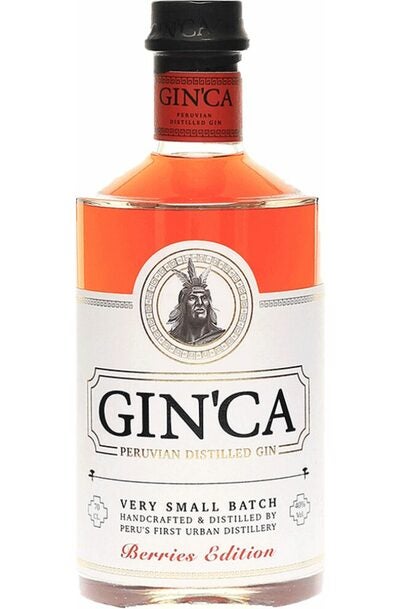
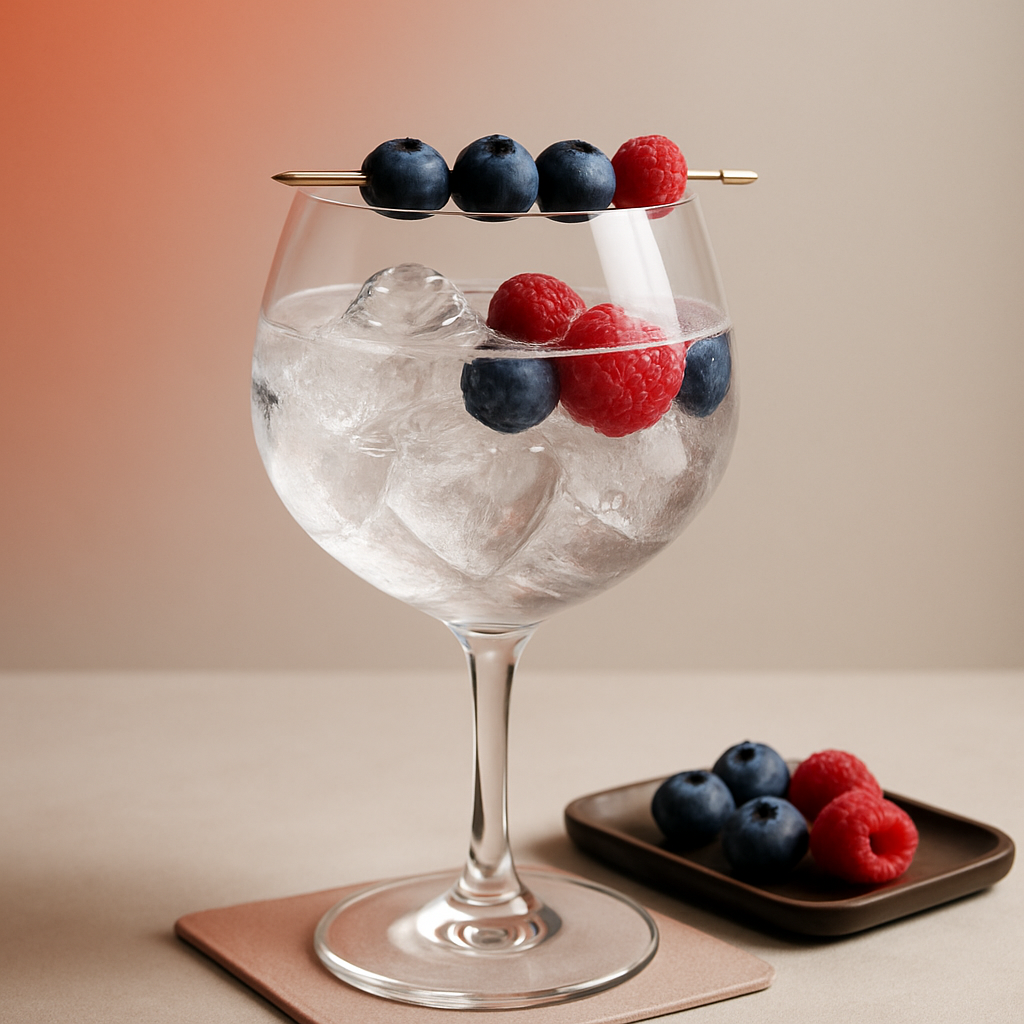
Best enjoyed with Fentimans Pink Grapefruit Tonic Water, garnished with  Skewer of Fresh Blueberries and Raspberries.
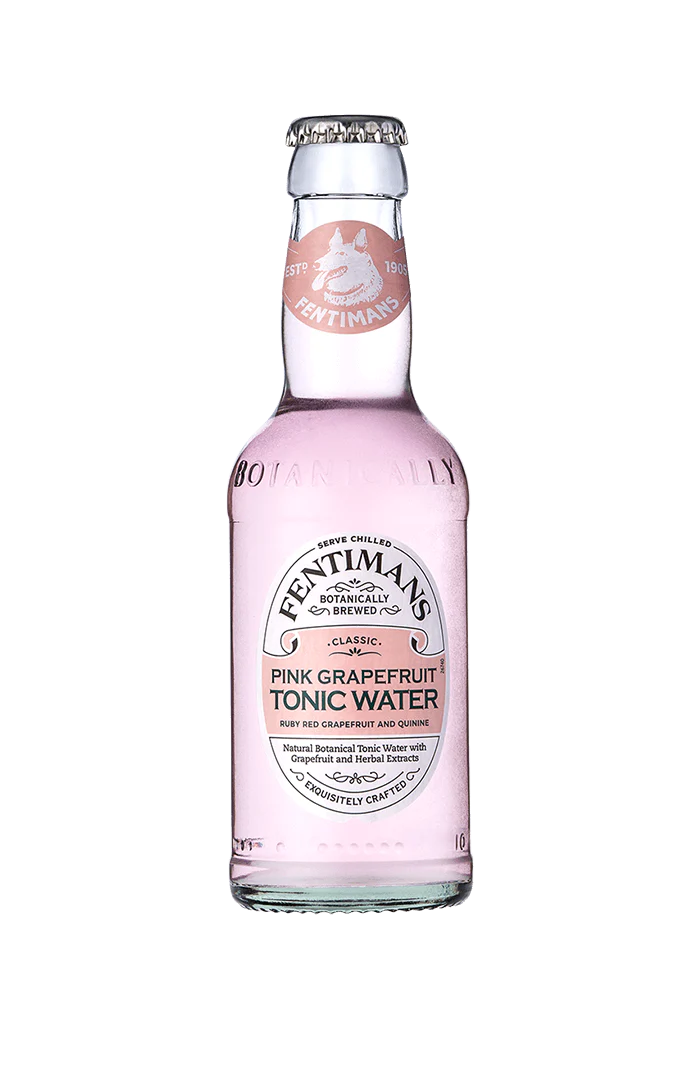 Recommended TonicFentimans Pink Grapefruit Tonic Water
Garnish
Skewer of Fresh Blueberries and Raspberries
Recommended TonicFentimans Pink Grapefruit Tonic Water
Garnish
Skewer of Fresh Blueberries and RaspberriesGin'ca Berries Edition
Flavored Gin · 40 % ABV · PE
Sugarcane is what rum is made from, and using it as the base for a gin is a decision almost nobody takes. Gin'ca distils in Peru on that foundation, adds wild Macedonian juniper and three Peruvian berries picked in three different regions, and bottles at 40% with nothing artificial added.
Citrus · Floral · Fruity
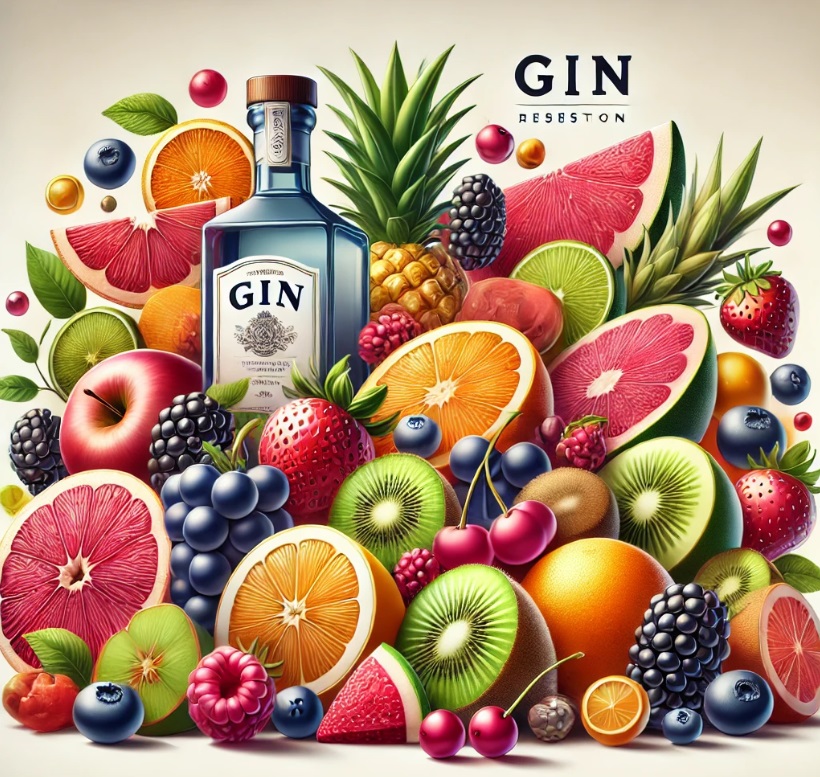
A cane base is not neutral. It carries a faint grassy sweetness that grain never has, and that sweetness is what lets the berries read as fruit rather than as flavouring. The three of them are chosen for contrast. Blueberries from Lambayeque are the roundest, soft and slightly jammy. Raspberries from Caraz bring the tartness, sharp and seedy, and they hold the front of the palate. Blackberries from Ancash sit lowest and darkest, adding a deeper, more brambly weight underneath the other two. Four days of macerationMacerationBotanicals soak in alcohol, from a few hours to several days, before distillation to release their aromas.Glossary before distillation is what extracts that colour of flavour: long enough to draw the fruit out properly, short enough that nothing turns cooked. Macedonian juniperJuniperThe one compulsory botanical: gin must taste predominantly of juniper. Its "berry" is really a small conifer cone, resinous and peppery.Glossary keeps a firm resinousResinousAn aroma reminiscent of pine or fir resin. It is juniper's signature, due to compounds such as pinene.Glossary line through the middle, and lemon lifts the top with a clean citrus edge. No sugar has been added and none is needed.
Fruit distilled rather than infusedInfusionFruit or plants are steeped in the spirit to release their flavour. Done after distillation, infusion often adds colour too, and the gin can no longer be called London Dry.Glossary afterwards behaves differently in a glass, and this one takes dilutionDilutionThe water added by melting ice. In the right amount it opens the aromas and softens the alcohol; too much flattens the drink.Glossary well. Neutral tonic over abundant ice is the sensible build, and the pour can be normal since the fruit is robust. Fresh berries repeat the recipe; a lime wedge cuts across it instead, and that is the livelier option. Nothing sweetened, which would undo the whole point of leaving sugar out. Three regions for three berries is a logistical decision made for flavour. Peru grows the fruit and the cane both, and the only thing imported here is the juniper itself. It closes fruity, tart and clean.
Peruvian Berry Bliss
PerfectServe
Recommended Tonic
Garnish
Skewer of Fresh Blueberries and RaspberriesInstructions
In a highballHighballA long drink served in a tall, straight glass with plenty of ice: a spirit topped with soda or tonic. The word also names the glass.Glossary glass, place a large, clear iceClear iceIce without air bubbles, made by slow, directional freezing. Denser, it melts more slowly and dilutes less.Glossary cube to maintain the drink's chill without diluting its vibrant flavors.
Pour 5 cl of Gin'ca Berries Edition over the ice, allowing the gin's citrus and floral notes to mingle with the coolness.
Top with 15 cl of Fentimans Pink Grapefruit Tonic Water, whose zesty profile complements the gin's fruity essence.
Gently stir to integrate the flavors.
Garnish with a skewer of fresh blueberries and raspberries, reflecting the gin's Peruvian berry heritage.
For alternative pairings, consider Thomas Henry Pink Grapefruit Tonic or Fever-Tree Elderflower Tonic Water.
Flavors
Ingredients
- Lemon
- Sugarcane alcohol
- Macedonian juniper
- Blueberries from Lambayeque
- Raspberries from Caraz
- Blackberries from Ancash