
Search, discover, save and share your favorite gins
+1000 gins • PerfectServes • Tonics • Inspirations
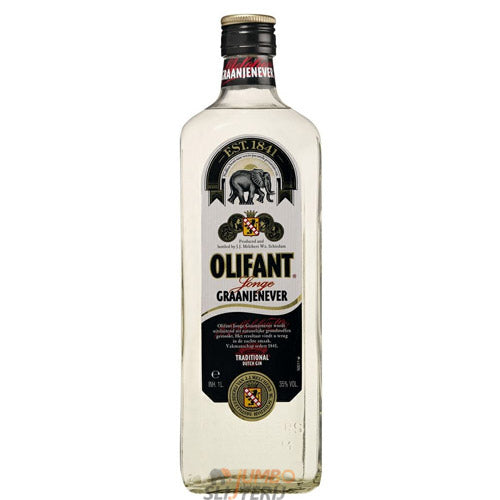
Olifant Jonge Graanjevever
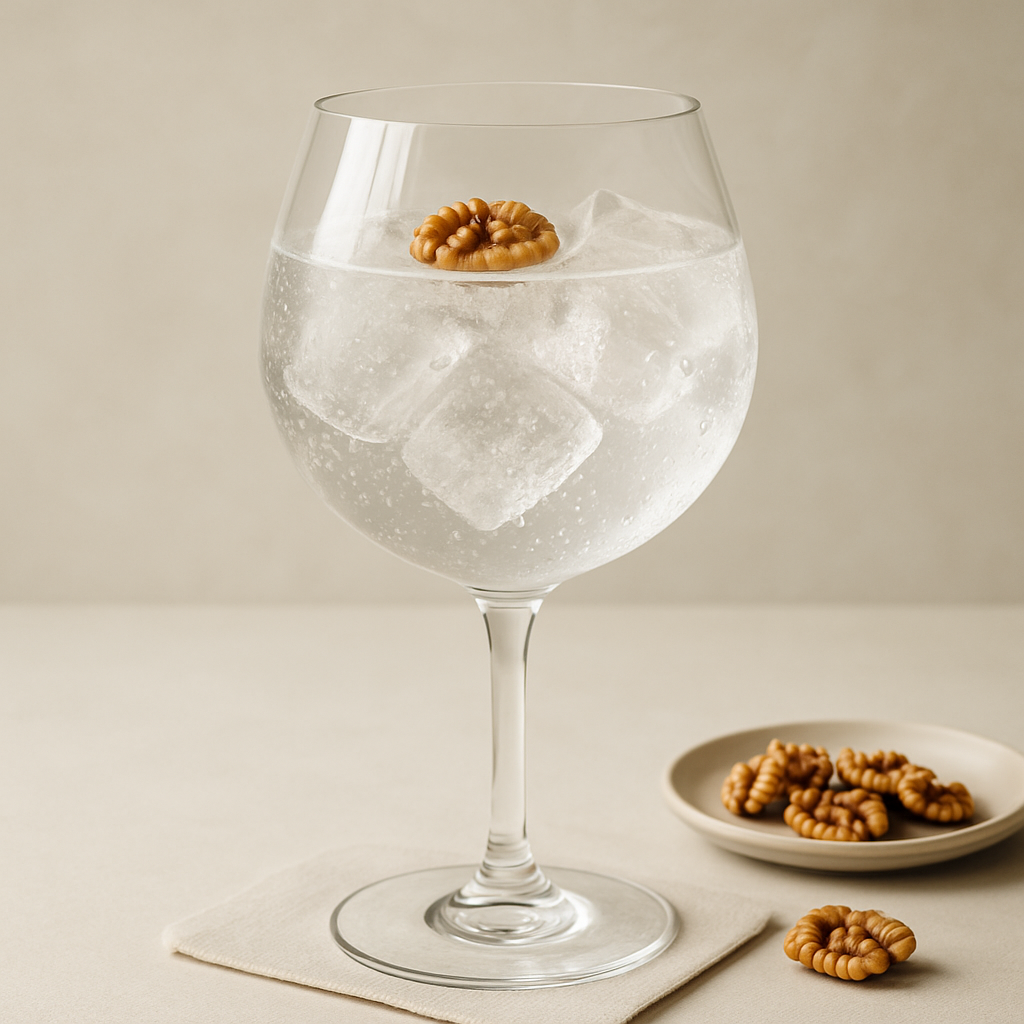
Best enjoyed with Sanpellegrino Tonica Oakwood, garnished with  Lightly Toasted Walnut Half.
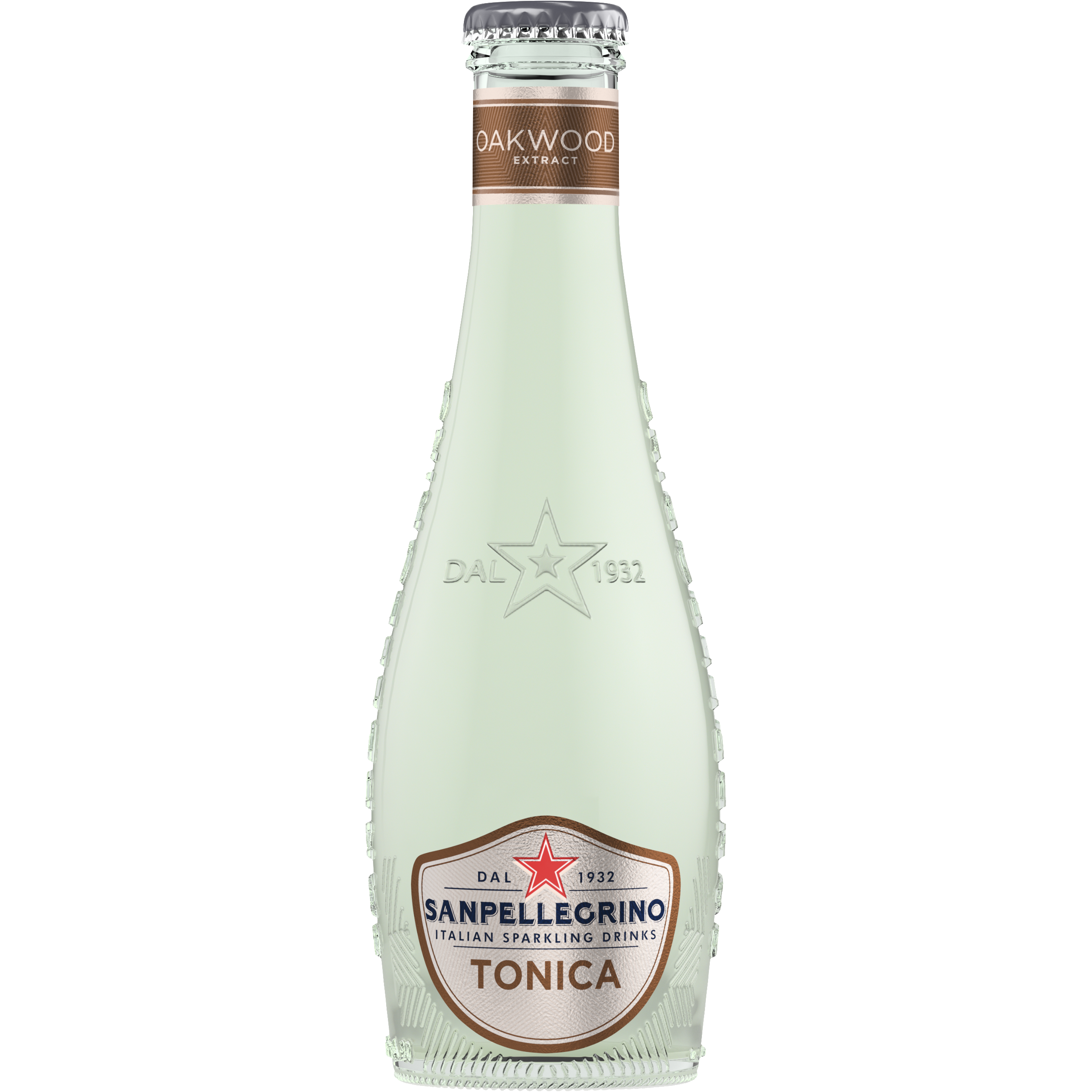 Recommended TonicSanpellegrino Tonica Oakwood
Garnish
Lightly Toasted Walnut Half
Recommended TonicSanpellegrino Tonica Oakwood
Garnish
Lightly Toasted Walnut HalfOlifant Jonge Graanjevever
Genever · 35 % ABV · NL
Thirty-five percent is low for a spirit this characterful, and it is entirely normal for a jonge jeneverGeneverThe Dutch and Belgian ancestor of gin, based on malt wine. "Jonge" is more neutral, "oude" more malty.GlossarySee Genever gins. J.J Melchers Wz has been making Olifant since 1841, and the category it belongs to is older than gin as most drinkers understand it: a Dutch grain spirit in which juniper stands alongside the base itself instead of dominating it. Green tea, cedar and a nutty character fill out a recipe that reads woody and earthy rather than bright.
Woody · Herbal · Earthy
What registers first is the texture, and it is unusual: faintly oily, with a weight that the modest strength does not predict. JuniperJuniperThe one compulsory botanical: gin must taste predominantly of juniper. Its "berry" is really a small conifer cone, resinous and peppery.Glossary does not lead so much as arrive, building gradually through the palate until the piney note is unmistakable, and that slow entrance is characteristic of the style. Green tea lays a dry tannic floor beneath it, cedar contributes a clean resinousResinousAn aroma reminiscent of pine or fir resin. It is juniper's signature, due to compounds such as pinene.Glossary woodiness, and the nutty notes give the middle its body. There is a savoury turn late on, closer to black olive than to anything sweet, which is the detail that makes the spirit worth sitting with. The finish is warm and lingering despite the low strength.
Jenever asks to be treated differently from gin, and it repays the courtesy. Serve it cold and neat in a small glass: that is the traditional approach, and it remains the best way to read both the oily texture and the tea underneath it. If mixing, keep it simple: soda rather than tonic, since tonic bitterness competes with the tea tannin, and no garnish or a single twist of lemonTwistA strip of peel twisted over the glass to release its oils, then dropped into the drink.Glossary. It also suits an Old Fashioned style build, where the nuttiness meets the sugar comfortably. Nearly two centuries of the same recipe is its own argument, and the spirit does not feel like a museum piece. It closes woody, earthy and long.
Dutch Harvest
PerfectServe
Recommended Tonic
Garnish
Lightly Toasted Walnut HalfInstructions
In a chilled highballHighballA long drink served in a tall, straight glass with plenty of ice: a spirit topped with soda or tonic. The word also names the glass.Glossary glass, pour 5 cl of Olifant Jonge Graanjenever, a traditional Dutch geneverGeneverThe Dutch and Belgian ancestor of gin, based on malt wine. "Jonge" is more neutral, "oude" more malty.GlossarySee Genever gins known for its woody and herbal notes.
Add a few large ice cubesLarge iceOne large block melts far more slowly than several small cubes, so the drink stays cold without watering down.Glossary to maintain a slow dilutionDilutionThe water added by melting ice. In the right amount it opens the aromas and softens the alcohol; too much flattens the drink.Glossary, preserving the spirit's earthy character.
Top with 10 cl of Sanpellegrino Tonica Oakwood, whose subtle oak extract complements the genever's cedar and green tea botanicals.
Gently stir to integrate the flavors.
Garnish with a lightly toasted walnut half, enhancing the nutty undertones of the drink.
For alternative pairings, consider Fever-Tree Mediterranean Tonic WaterMediterranean tonicA tonic with less bitterness and sugar, scented with herbs and citrus (rosemary, thyme, lemon). It leaves more room for the gin's botanicals.Glossary or Fentimans Herbal Tonic Water.
Flavors
Ingredients
- Green tea
- Juniper
- Nuts
- Cedar