
Search, discover, save and share your favorite gins
+1000 gins • PerfectServes • Tonics • Inspirations
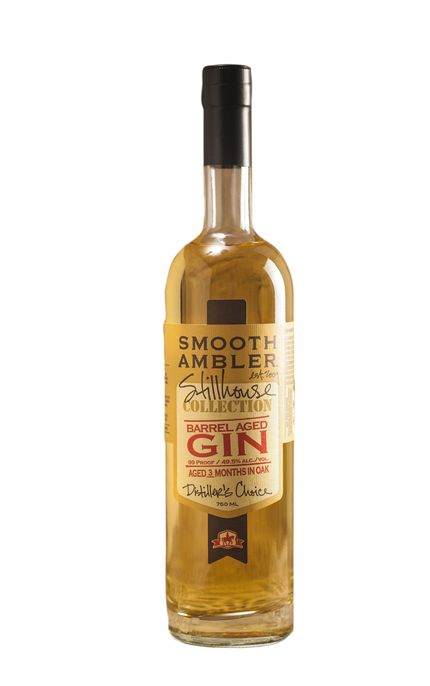
Stillhouse Collection Barrel Aged Gin
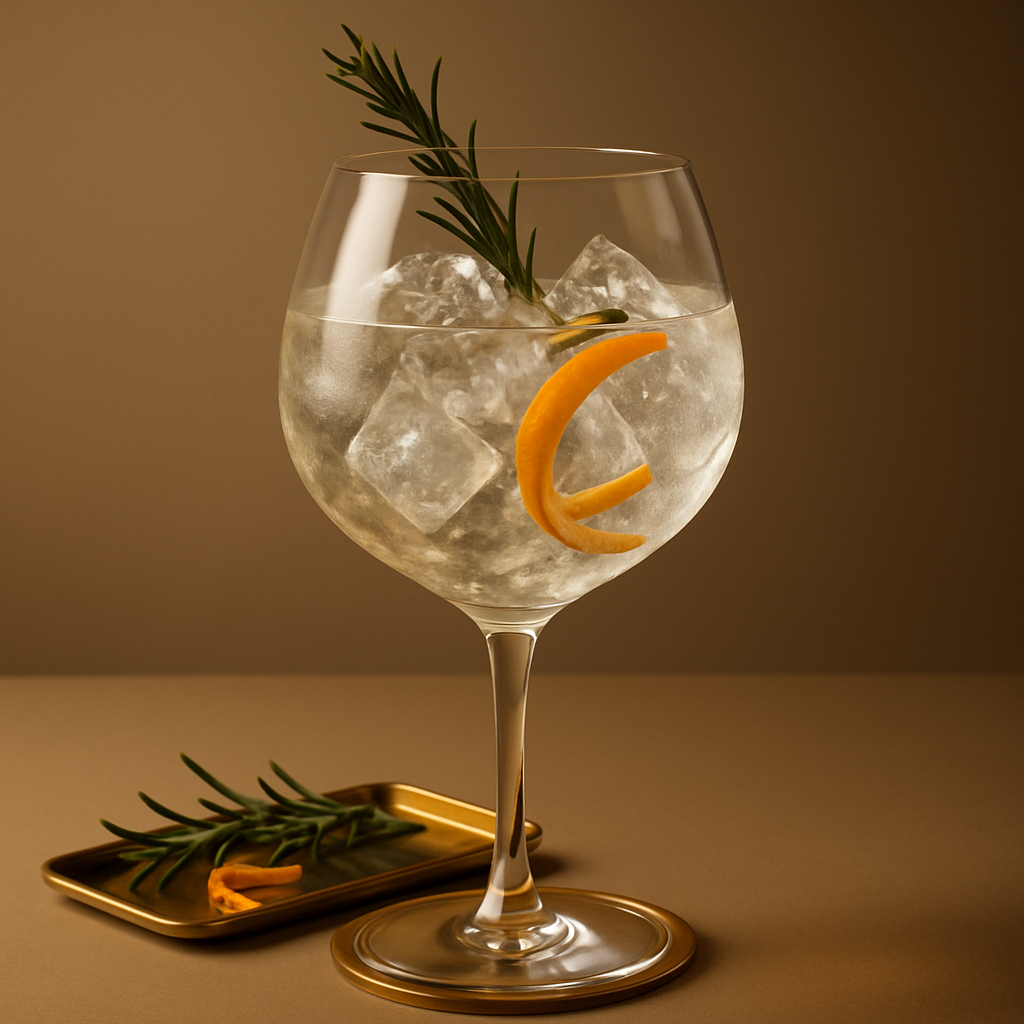
Best enjoyed with Fever-Tree Mediterranean Tonic Water, garnished with  Lightly Singed Rosemary Sprig and
  Thin Orange Peel Twist.
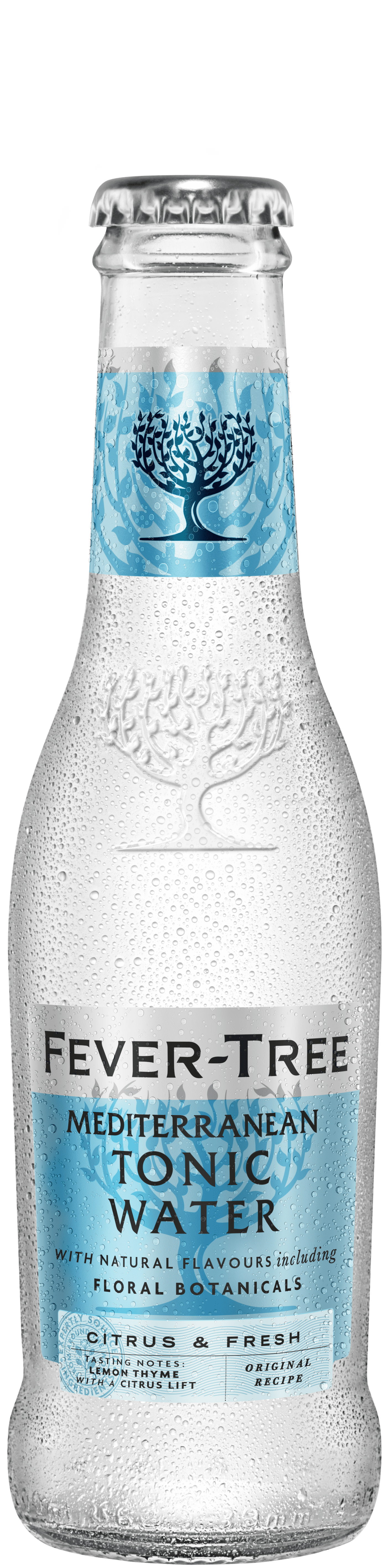 Recommended TonicFever-Tree Mediterranean Tonic Water
Garnish
Lightly Singed Rosemary Sprig
Garnish
Thin Orange Peel Twist
Recommended TonicFever-Tree Mediterranean Tonic Water
Garnish
Lightly Singed Rosemary Sprig
Garnish
Thin Orange Peel TwistStillhouse Collection Barrel Aged Gin
Barrel-Aged Gin · 40 % ABV · US
Three months in oak is a short maturation, and choosing to stop there is the decision that defines this bottle. Smooth Ambler works in West Virginia, and the aim is clearly not to turn a gin into a whiskey: the wood is there to add a layer, not to take the recipe over. Bottled at 40%.
Citrus · Woody · Spicy
Twelve weeks is long enough to change a gin and short enough to leave it recognisable, which is a narrower target than it sounds. What the barrel gives in that time is mostly sugar and softness. The aroma opens on burnt sugar and caramel, which is unusual as a first impression for any gin and immediately signals what has been done to it. Behind that sit spruce and orange, the two botanical notes that survive the cask most clearly, one resinousResinousAn aroma reminiscent of pine or fir resin. It is juniper's signature, due to compounds such as pinene.Glossary and green, the other bright and sweet.
On the palate the movement is gradual rather than sudden: juniperJuniperThe one compulsory botanical: gin must taste predominantly of juniper. Its "berry" is really a small conifer cone, resinous and peppery.Glossary warmth builds through the middle, the oak richness rises to meet it, and the two arrive together at a finish that is peppery and sweet at once. Because the wood has had so little time, the spirit underneath is still recognisably a gin, and the spruce in particular keeps a green line running that a longer maturation would have buried under vanilla.
Versatility is the practical benefit of stopping early. It works neat, it works over ice, and it takes to stirred cocktails without argument: an Old Fashioned is the obvious choice and a barrel-agedBarrel-aged ginGin rested for a while in wooden casks. It picks up a golden colour and notes of vanilla, spice or the wine that filled the cask before.GlossarySee Barrel-aged gin gins NegroniNegroniAn Italian cocktail of equal parts gin, sweet vermouth and red bitter (Campari), served over ice with orange peel. Born in Florence in 1919.Glossary the more interesting one. Long drinks are the weak option here, since carbonation thins the caramel. If you do reach for tonic, keep it unflavoured and use orange peel, which repeats the recipe. Restraint in a barrel programme is rarer than length, and the point of stopping early is that the recipe survives the cask. It closes sweet, spiced and woody.
Citrus & Spice Barrel-Aged Gin Tonic
PerfectServe
Recommended Tonic
Garnish
Lightly Singed Rosemary Sprig
Thin Orange Peel TwistInstructions
In a chilled rocks glassRocks glassA short, heavy glass (tumbler) for a spirit over a large ice cube or a short cocktail.Glossary, place a large, clear iceClear iceIce without air bubbles, made by slow, directional freezing. Denser, it melts more slowly and dilutes less.Glossary cube to maintain the integrity of the drink without excessive dilutionDilutionThe water added by melting ice. In the right amount it opens the aromas and softens the alcohol; too much flattens the drink.Glossary.
Pour 5 cl of Stillhouse Collection Barrel AgedBarrel-aged ginGin rested for a while in wooden casks. It picks up a golden colour and notes of vanilla, spice or the wine that filled the cask before.GlossarySee Barrel-aged gin gins Gin over the ice, allowing its citrus, woody, and spicy notes to unfold.
Top with 10 cl of Fever-Tree Mediterranean Tonic WaterMediterranean tonicA tonic with less bitterness and sugar, scented with herbs and citrus (rosemary, thyme, lemon). It leaves more room for the gin's botanicals.Glossary, whose herbal nuances complement the gin's complex profile.
Gently stir to integrate the flavors.
Garnish with a lightly singed rosemary sprig to enhance the woody aroma and a thin orange peel twist to accentuate the citrus notes.
For alternative tonic pairings, consider 1724 Tonic Water or East Imperial Burma Tonic Water.
Flavors

Ingredients
- Caramel flavour
- Juniper
- Sweet orange
- Spruce
- Burnt Sugar