Deep Pacific water gives this Hokkaido gin an iodised, mineral line beside its yuzu and bitter orange. Etsu Pacific Ocean Water is bottled at 45% ABV and draws its character from juniper berries, yuzu, bitter orange peel, coriander seeds, liquorice root, angelica root.
Botanicals
The first impression comes from the ingredients named in the recipe: they bring lift on the nose, then more depth and warmth across the palate. Juniper keeps a dry, precise line beneath these details, so the bottle reads as gin rather than a sweet flavoured spirit. As the glass opens, the brighter notes appear first, followed by the more savoury, spicy or rounded elements.
The make-up of the recipe explains its pace. A small chilled measure gives the aroma room to settle, then a measured dilutionDilutionThe water added by melting ice. In the right amount it opens the aromas and softens the alcohol; too much flattens the drink.Glossary broadens the scent without flattening it. This makes the gin useful both as a focused aperitif and in a long drink. The finish returns to the drier botanical side, leaving the defining ingredient present rather than exaggerated.
Serve
For the Perfect ServePerfect serveThe way the producer recommends serving the gin (glass, tonic, ratio, garnish) to show it at its best.Glossary, pour 5 cl over clear iceClear iceIce without air bubbles, made by slow, directional freezing. Denser, it melts more slowly and dilutes less.Glossary, add 10 cl of Fever-Tree Indian Tonic WaterIndian tonicThe classic tonic: sparkling water, bitter quinine and sugar. The name recalls colonial India, where quinine warded off malaria.Glossary, then finish with a lemon twistTwistA strip of peel twisted over the glass to release its oils, then dropped into the drink.Glossary. Keep the garnish measured: it echoes the recipe and lets the tonic bring freshness without moving attention away from the gin. Serve very cold and stir once before drinking.
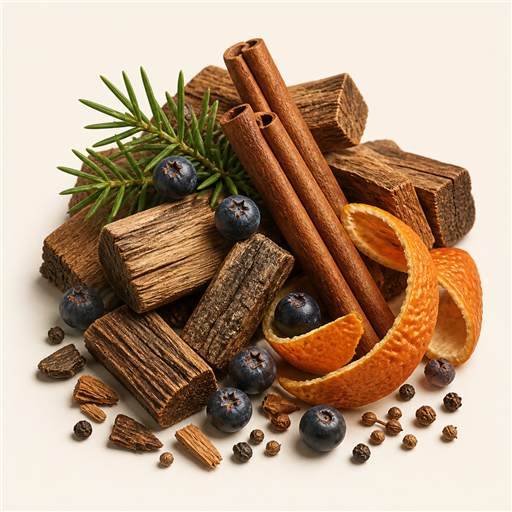
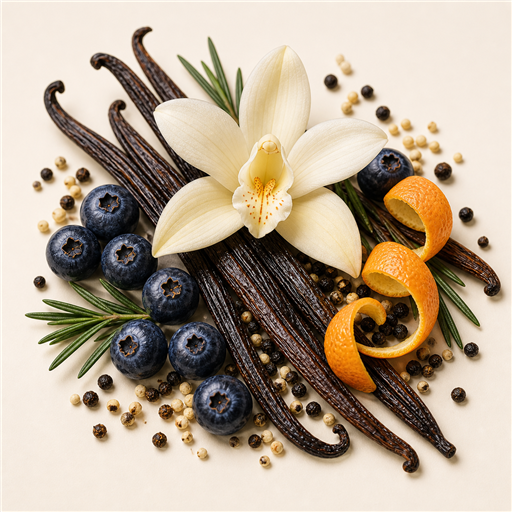
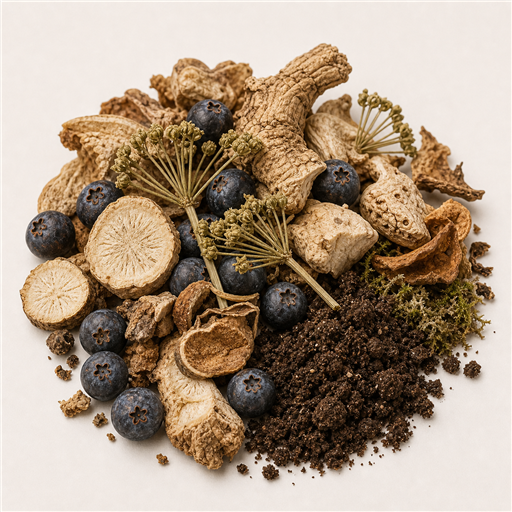
A closer tasting rewards a little patience. Start with the aroma above the ice, take a small sip, then return once the temperature and dilution have opened the gin. Juniper berriesJuniperThe one compulsory botanical: gin must taste predominantly of juniper. Its "berry" is really a small conifer cone, resinous and peppery.Glossary, Yuzu, Bitter Orange Peel, Coriander seeds, Liquorice root, Angelica rootAngelicaThe root of a tall umbellifer, earthy and musky. After juniper and coriander it is the most common botanical: it binds the aromas and holds the finish.Glossary create more than a list: their order on the palate gives the bottle its rhythm, from the first lift to the dry, lingering close. Keep the glass uncluttered and the tonic restrained, because the point is to follow that progression rather than cover it.

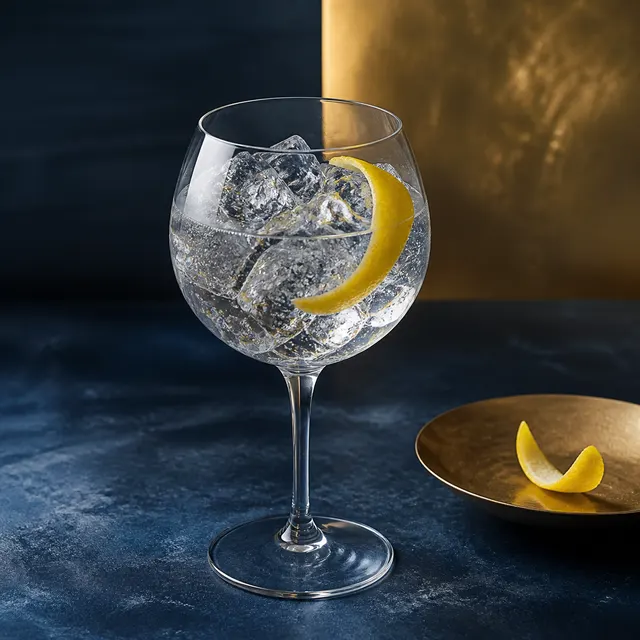
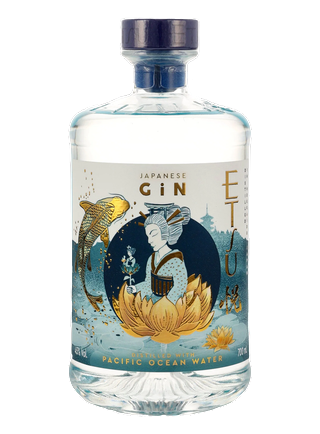 The ginEtsu Pacific Ocean Water
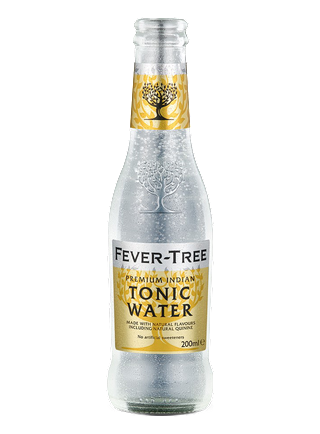 Indian tonicFever-Tree Indian
 🍋
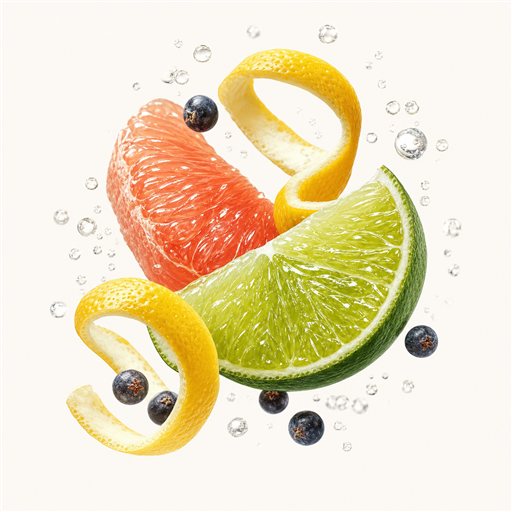
The garnishLemon twist
Your Comment
Other comments
Be the first to share your tasting
Neat, with tonic or in a cocktail: tell us what you thought.