
Search, discover, save and share your favorite gins
+1000 gins • PerfectServes • Tonics • Inspirations
La Petite Merveille


Best enjoyed with Fever-Tree Mediterranean Tonic Water, garnished with  Lightly Singed Rosemary Sprig.
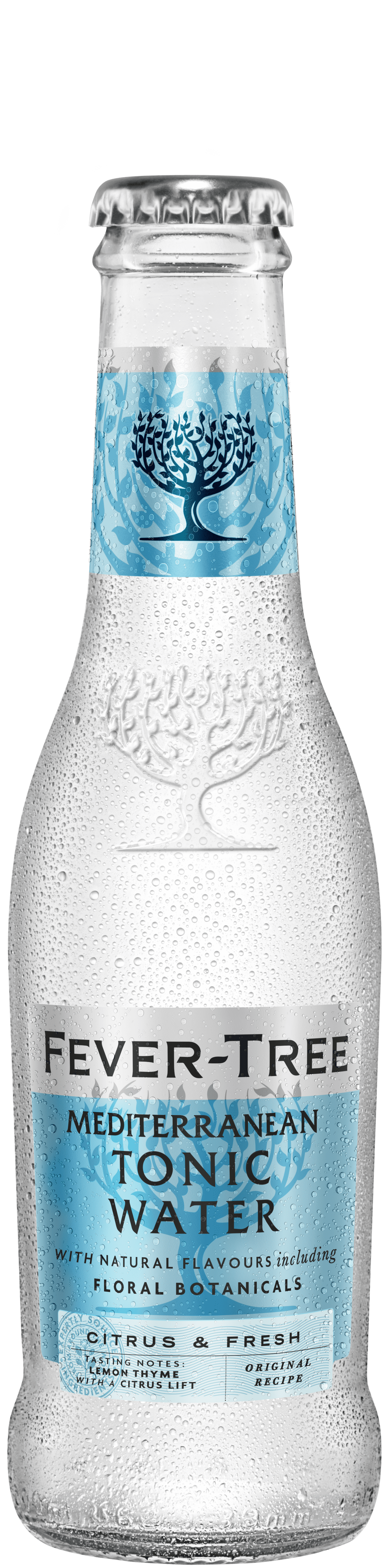 Recommended TonicFever-Tree Mediterranean Tonic Water
Garnish
Lightly Singed Rosemary Sprig
La Petite Merveille
Barrel-Aged Gin · 40 % ABV · BE
Spruce buds are picked in spring and they taste of it: green, resinousResinousAn aroma reminiscent of pine or fir resin. It is juniper's signature, due to compounds such as pinene.Glossary and faintly citric, quite unlike the darker note that mature needles would give. This Belgian gin builds on them alongside juniper, angelica root and caraway seeds at 40% ABV, taking its cue from the Ardennes rather than from any classical template of what a gin should contain.
Woody · Herbal · Earthy
The spruce is the first thing to register and it is also the last thing to leave the glass. It brings a delicate pine aroma that sits close to juniper without duplicating it, brighter and younger, and the two together give the gin its forest character. Caraway is the unexpected entry on the list, warm and faintly aniseed, and it pulls the centre of the palate toward something savoury that neither the buds nor the berries would ever have reached on their own. Angelica rootAngelicaThe root of a tall umbellifer, earthy and musky. After juniper and coriander it is the most common botanical: it binds the aromas and holds the finish.Glossary supplies the dry earthy grip underneath, deepening the woody register and giving the finish a place to settle rather than simply stopping.
The palate stays woody and herbal from start to finish, carrying an earthy undertow in the place where a softer recipe would have put sweetness.
The producer's own suggestion is a Mediterranean tonicMediterranean tonicA tonic with less bitterness and sugar, scented with herbs and citrus (rosemary, thyme, lemon). It leaves more room for the gin's botanicals.Glossary finished with a juniper berry and a flame-kissed spruce twig, and the flamed twig is worth the trouble: warming it releases the resin and doubles the aroma already in the glass. A Mediterranean tonic suits the herbal register better than an Indian one would, since the extra bitterness of the latter fights the buds. Keep the ice generous and the pour unhurried. Spring buds are a short harvest, and a recipe built on them is tied to a season in a way most gins are not. It ends woody, resinous and dry, the caraway warmth trailing behind the pine.
Ardennes Forest G&T
PerfectServe
Recommended Tonic
Garnish
Lightly Singed Rosemary SprigInstructions
In a chilled highballHighballA long drink served in a tall, straight glass with plenty of ice: a spirit topped with soda or tonic. The word also names the glass.Glossary glass, add 5 cl of La Petite Merveille gin, capturing the essence of the Belgian Ardennes with its spruce bud and caraway seed botanicals.
Fill the glass with large, clear iceClear iceIce without air bubbles, made by slow, directional freezing. Denser, it melts more slowly and dilutes less.Glossary cubes to maintain a crisp temperature without diluting the rich, woody flavors.
Top with 15 cl of Fever-Tree Mediterranean Tonic WaterMediterranean tonicA tonic with less bitterness and sugar, scented with herbs and citrus (rosemary, thyme, lemon). It leaves more room for the gin's botanicals.Glossary; its herbal notes of rosemary and thyme harmonize with the gin's earthy profile.
Gently stir to blend.
Garnish with a lightly singed rosemary sprig to release its aromatic oils, complementing the gin's herbal character.
For alternative tonic pairings, consider East Imperial Burma Tonic Water, Fentimans Connoisseurs Tonic Water, or Thomas Henry Botanical Tonic.
Flavors
Ingredients
- Juniper berries
- Angelica root
- Caraway Seeds
- Spruce buds