
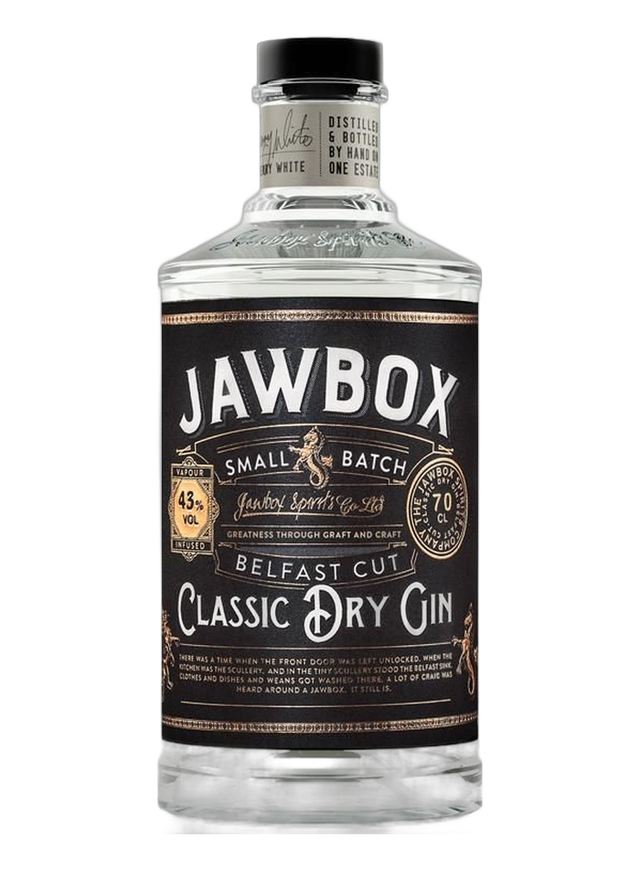
Jawbox Small Batch Gin
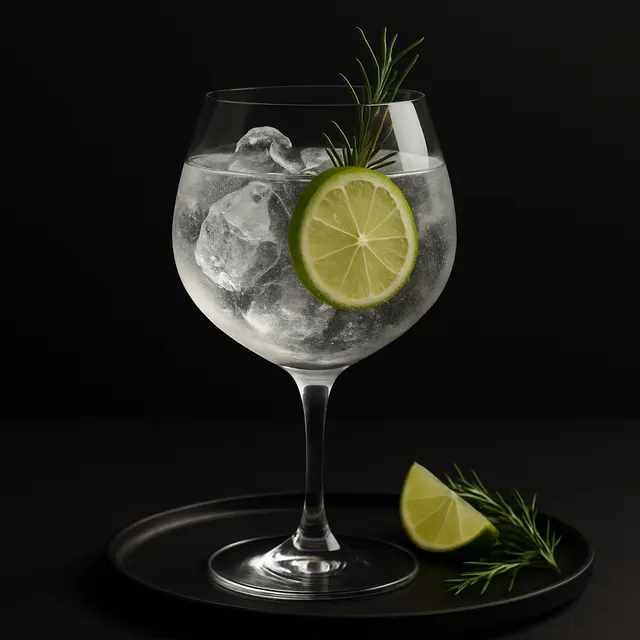
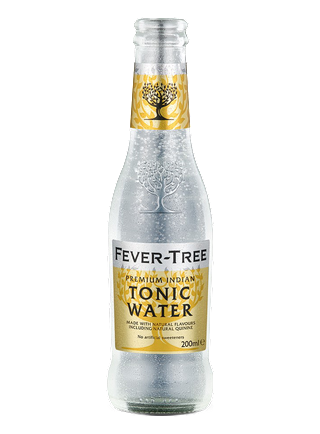
Best enjoyed with Fever-Tree Indian Tonic Water, garnished with  Lime and
 Rosemary.
Jawbox Small Batch Gin
London Dry Gin · 43 % ABV · Empty
Eleven botanicals go into this gin and they do not all enter the same way. Eight are steeped in the spirit; the other three are held above it and infusedInfusionFruit or plants are steeped in the spirit to release their flavour. Done after distillation, infusion often adds colour too, and the gin can no longer be called London Dry.Glossary by vapour as the alcohol rises through them, which extracts delicate material that soaking would have flattened. Jawbox works in copper pot stillsPot stillA traditional still, often copper, that distils in batches. It keeps more texture and character than a column.Glossary on a three-hundred-acre estate near Belfast, triple-distils, and bottles at 43%.
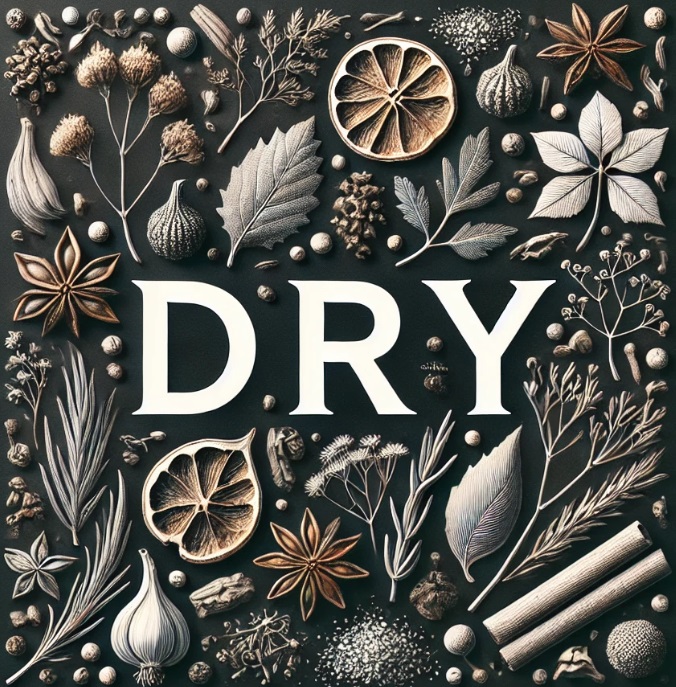
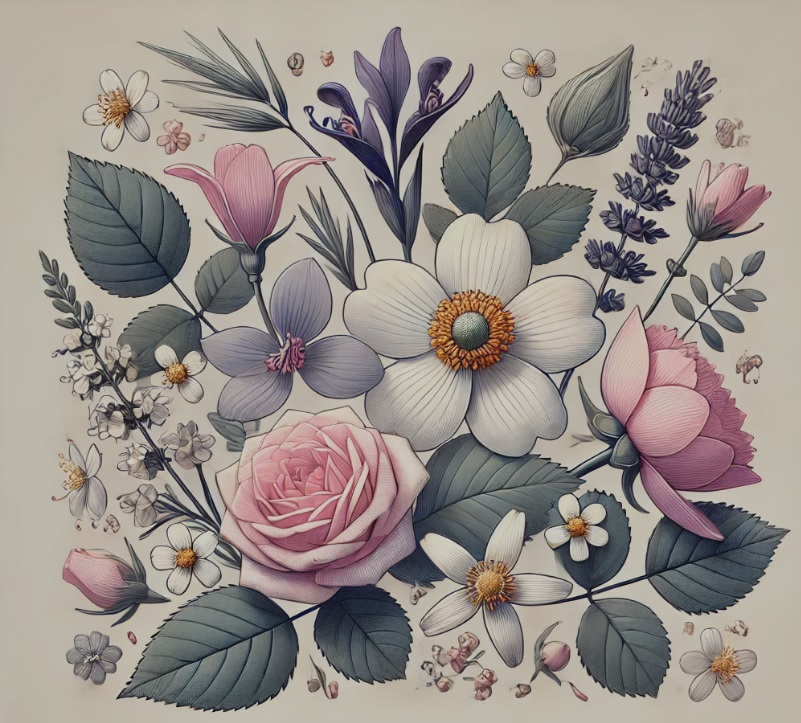
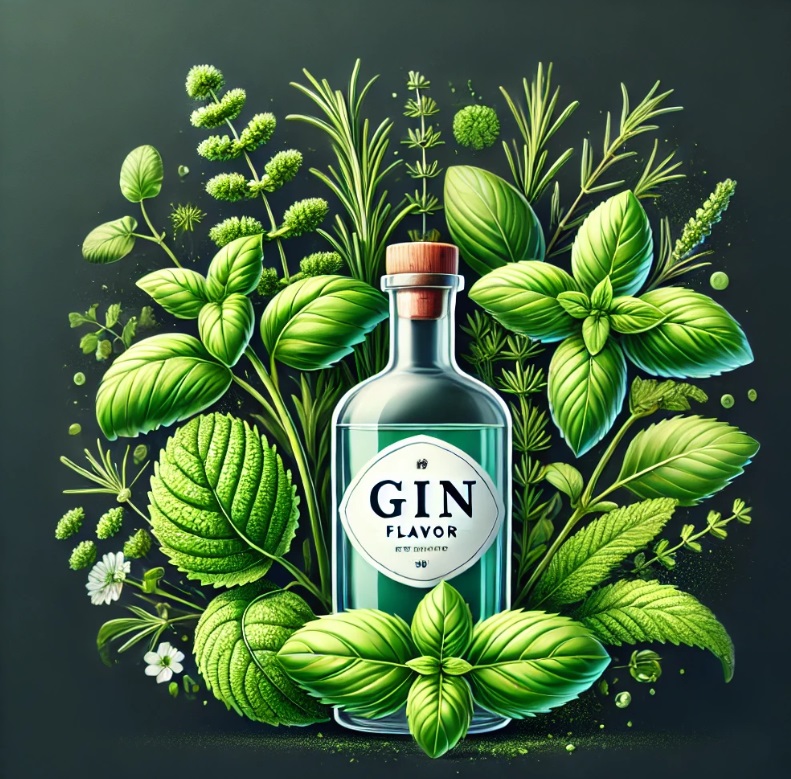
Citrus · Woody · Dry · Floral · Herbal
Splitting the method that way is a decision about which botanicals can take heat and which cannot. The robust ones, juniperJuniperThe one compulsory botanical: gin must taste predominantly of juniper. Its "berry" is really a small conifer cone, resinous and peppery.Glossary and coriander and the roots, reward steeping, and they arrive first: a bold nose of juniper and coriander that announces the London DryLondon DryA style, not a place of origin: every flavour comes from distilling natural botanicals. After distillation only water and a trace of sugar may be added, with no flavouring or colouring.GlossarySee London Dry gins classification without hesitation. The fragile ones are the reason for the vapour basketVapour infusionBotanicals sit in a basket above the liquid, so only the alcohol vapour passes through them, for a lighter, fresher extraction.Glossary, and Black Mountain heatherHeatherA small flower of the Scottish moors, honeyed and slightly woody.Glossary is chief among them, a local plant with a dry, honeyed floral note that direct macerationMacerationBotanicals soak in alcohol, from a few hours to several days, before distillation to release their aromas.Glossary would have turned bitter.
On the palate the order is deliberate. Citrus comes first from lemon peel, then pepper from cubebs and grains of paradise, then the root notes from angelica, orris and liquorice, quiet but structural. Cassia quills add dry warmth, cardamom a cooling lift. Juniper and pine return at the end and stay there.
Awards have followed, including a gold at the CLASS Bartenders' Brand Awards and the Quality Drinks Award for Best Gin, and the bar trade tends to reward gins that behave predictably in a mix. Reach for a neutral tonic, chill the glass through with ice, and use lemon peel, which repeats the recipe. A Martini suits it equally well. Triple distillation and a split infusion is more work than a classic recipe requires, and the clarity is where it shows. Two of those three vapour botanicals could have been steeped without anyone noticing; the heather could not. It closes piney, peppery and dry.
Belfast Sunset
PerfectServe
Recommended Tonic
Garnish
Lime
RosemaryInstructions
Fill a highballHighballA long drink served in a tall, straight glass with plenty of ice: a spirit topped with soda or tonic. The word also names the glass.Glossary glass with ice.
Pour 50ml of Jawbox Small BatchSmall batchProduction in small quantities per distillation run, often in a small still. The term has no legal definition.Glossary Gin over the ice.
Add 150ml of Fever-Tree Indian TonicIndian tonicThe classic tonic: sparkling water, bitter quinine and sugar. The name recalls colonial India, where quinine warded off malaria.Glossary.
Stir gently and garnish with a slice of lime and a sprig of rosemary.
Flavors

Ingredients
- Coriander
- Cardamom
- Angelica root
- Orris root
- Licorice root
- Juniper
- Lemon peel
- Grains of Paradise
- Cubebs
- Cassia Quills
- Black Mountain Heather
Your Comment
Other comments
Be the first to share your tasting
Neat, with tonic or in a cocktail: tell us what you thought.