
Search, discover, save and share your favorite gins
+1000 gins • PerfectServes • Tonics • Inspirations
KI NO BAI


Best enjoyed with Fever-Tree Elderflower Tonic Water, garnished with  Thin Slice of Fresh Ume Plum.
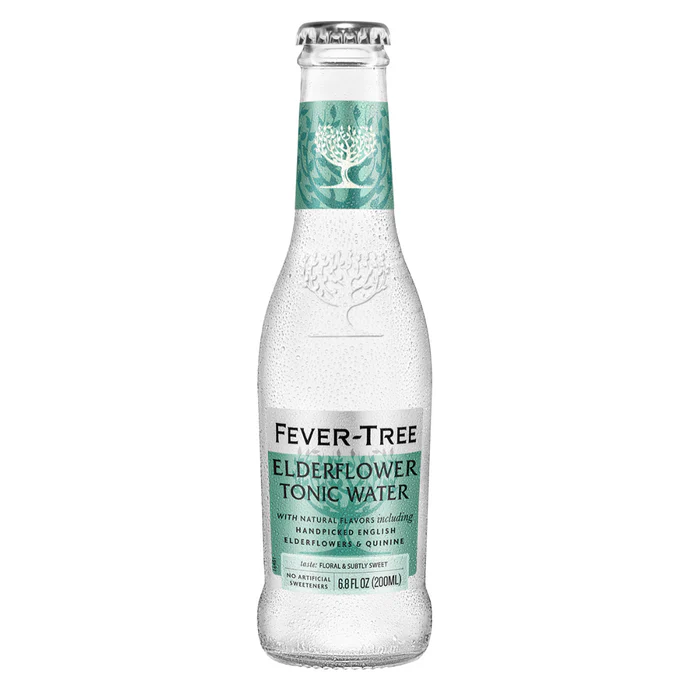 Recommended TonicFever-Tree Elderflower Tonic Water
Garnish
Thin Slice of Fresh Ume Plum
KI NO BAI
Flavored Gin · 29.5 % ABV · JP
Two macerationsMacerationBotanicals soak in alcohol, from a few hours to several days, before distillation to release their aromas.Glossary, in sequence, with both fruits thrown away afterwards. Ume plums grown on Akio Tanaka's farm south of Uji are picked at full ripeness and left for several months in a specially adapted KI NO BI; once the extraction is judged right they are lifted out, haskap berries from Hokkaido go in for a shorter steep, and those are removed in turn before any sugar is added. The Kyoto Distillery bottles the result at 29.5%.
Citrus · Limited Edition · Spicy · Fruity · Herbal
Ume are not sweet plums. They are sour enough to be difficult raw, which is why Japan almost always steeps or preserves them, and that acidity is the backbone of everything here. The patience of the double maceration is what separates the liqueur from a fruit syrup. The plum contributes acidity and stone-fruit depth, the haskap a dark, tart berry character closer to blackcurrant than to anything sweet, and the Hokkaido beet sugar softens the acidity at the end without erasing it. Underneath, the gin base keeps the whole Kyoto botanical grammar: juniper, orris rootOrris rootIris rhizome dried for years, then ground. Powdery and violet-like, it mainly works as a fixative that binds and lengthens the other aromas.Glossary and akamatsu at the foundation, yuzu and lemon for citrus, then sansho pepperSansho pepperA Japanese berry related to Sichuan pepper: yuzu-like aroma and a light tingle on the tongue.Glossary, kinome, ginger, gyokuro tea, bamboo leaves and red shiso supplying the herbal, spicy and tea layers the house is known for.
The nose reads blackcurrant and cherry, tart rather than jammy. The palate is ruby and silky, with almond and pine cone appearing behind the fruit: the almond belongs to the plum stone, the pine to the gin underneath. The finish is medium and balanced, sweetness and acidity holding each other in place.
Lengthened with soda water it becomes a bright aperitif, and it behaves in cocktails much as sloe ginSloe ginA liqueur made by steeping sloe berries in gin, then sweetening it. It is usually bottled between 25% and 30% ABV.GlossarySee Sloe gin gins does, particularly where citrus lifts the fruit. Do not add sugar to it. It has its own, and acidity, dilutionDilutionThe water added by melting ice. In the right amount it opens the aromas and softens the alcohol; too much flattens the drink.Glossary and cold are what keep the plum and the haskap readable. The British idea, moved to Kyoto and rebuilt with Japanese fruit.
Kyoto Plum & Berry Tonic
PerfectServe
Recommended Tonic
Garnish
Thin Slice of Fresh Ume PlumInstructions
In a highballHighballA long drink served in a tall, straight glass with plenty of ice: a spirit topped with soda or tonic. The word also names the glass.Glossary glass, place a large, clear iceClear iceIce without air bubbles, made by slow, directional freezing. Denser, it melts more slowly and dilutes less.Glossary cube to maintain the drink's integrity.
Pour 5 cl of KI NO BAI gin over the ice, allowing its rich plum and haskap berry notes to unfold.
Top with 10 cl of Fever-Tree Elderflower Tonic Water, whose subtle floral sweetness complements the gin's fruity profile.
Gently stir to integrate the flavors.
Garnish with a thin slice of fresh ume plum, enhancing the visual appeal and echoing the gin's primary botanical.
For alternative pairings, consider Thomas Henry Elderflower Tonic or Fentimans Pink Grapefruit Tonic Water.
Flavors
Ingredients
- Juniper berries
- Yuzu citrus
- Orris root
- Ginger
- Lemon
- red shiso
- Sansho pepper
- Gyokuro tea
- Japanese red pine
- Bamboo leaves
- Kinome (young leaves of Japanese pepper)
- Ume plums
- Haskap berries
- Hokkaido beet sugar